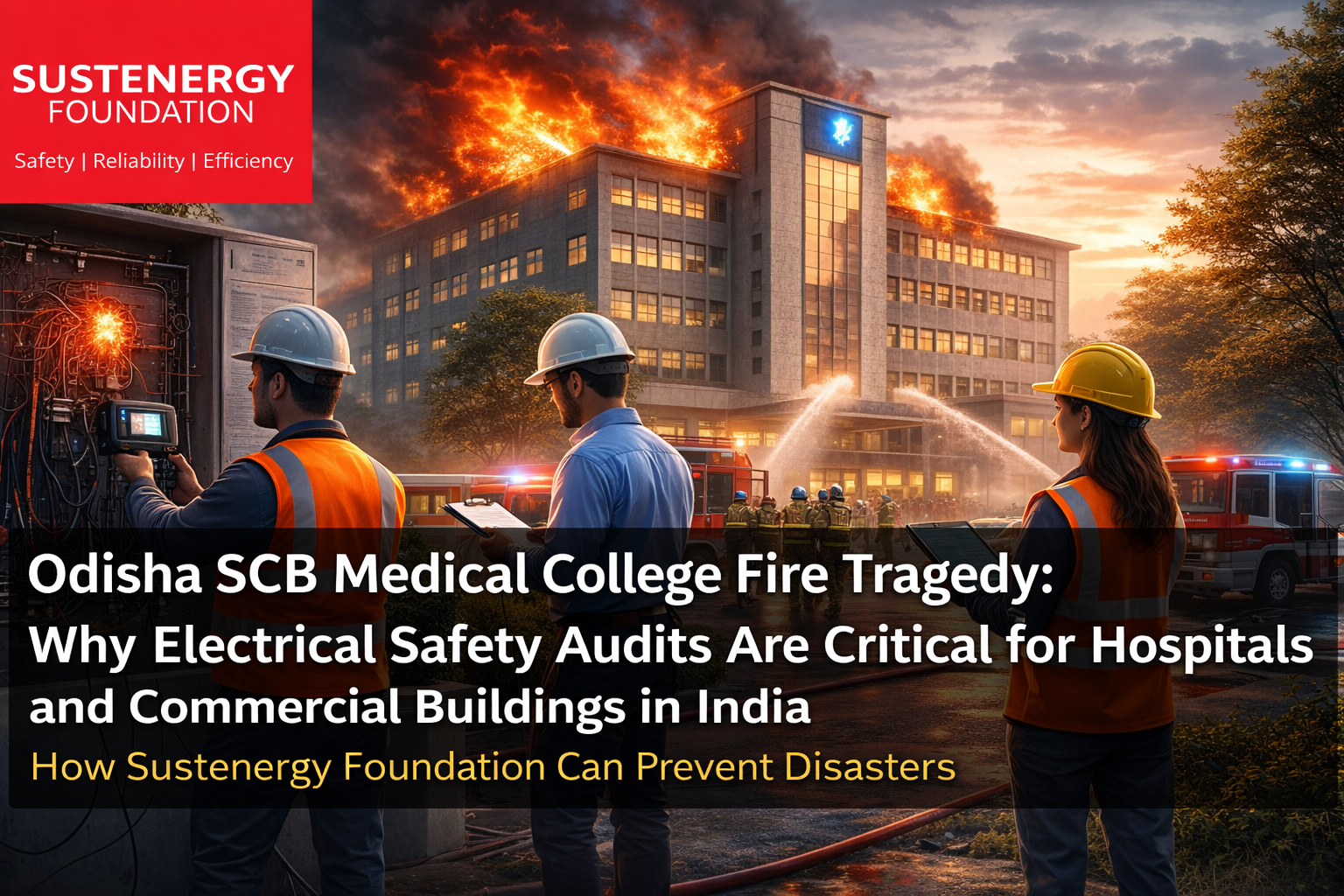
Odisha SCB Medical College Fire Tragedy: Why Electrical Safety Audits Are Critical for Hospitals and Commercial Buildings in India
Odisha SCB Medical College Fire Tragedy: Why Electrical Safety Audits Are Critical for Hospitals and Commercial Buildings in India
On 16 March 2026, a tragic fire at SCB Medical College and Hospital in Cuttack, Odisha, shocked the entire nation. The incident resulted in the death of at least 10 patients and injuries to several hospital staff members after a fire broke out in the Trauma Care ICU during the early morning hours, when many patients were on ventilators and oxygen support, making evacuation difficult.
This heartbreaking incident once again highlights a harsh reality — lack of proper electrical safety, fire protection systems, and periodic audits can turn critical facilities into disaster zones. For hospitals, hotels, IT parks, industries, and commercial buildings, proactive safety measures are not optional — they are essential.
This article explains the incident, its lessons, and why Electrical Safety Audit, Fire Safety Audit, and Energy Audit services by Sustenergy Foundation are crucial for every facility in India.
What Happened at SCB Medical College Fire Incident
According to reports, the fire started in the Trauma Care Intensive Care Unit (ICU) of the hospital around 2:30–3:00 AM. Fire engines rushed to the spot, and rescue operations were carried out immediately, but critically ill patients could not be moved quickly due to life-support equipment.
Key points from the incident:
- 10 patients lost their lives
- Multiple staff members suffered burn injuries during rescue
- Fire started in a high-risk medical area (ICU)
- Possible electrical fault or technical cause under investigation
- Safety compliance and infrastructure lapses suspected
Such incidents are not new in India. Past hospital fires, including the Jhansi Medical College fire (2024) and AMRI Hospital fire (2011), were linked to electrical faults, poor fire systems, and lack of safety compliance.
These repeated tragedies clearly show one thing:
Regular safety audits could have prevented many of these disasters.
Why Hospitals and Commercial Buildings Are High-Risk for Fire
Hospitals, hotels, and large buildings have complex electrical and mechanical systems, including:
- High electrical load equipment
- Oxygen lines and medical gases
- UPS and generator systems
- HVAC systems
- Kitchen and laundry equipment
- IT servers and control panels
Studies show that a large percentage of fires in buildings are caused by electrical faults, overloading, poor maintenance, or lack of inspection.
In hospitals, the risk is even higher because:
- Patients cannot evacuate quickly
- Life-support systems must run continuously
- Fire can spread through wiring, ducts, or oxygen lines
That is why national safety guidelines require strict compliance and regular inspection of electrical and fire systems in healthcare facilities.
Importance of Electrical Safety Audit in Hospitals and Buildings
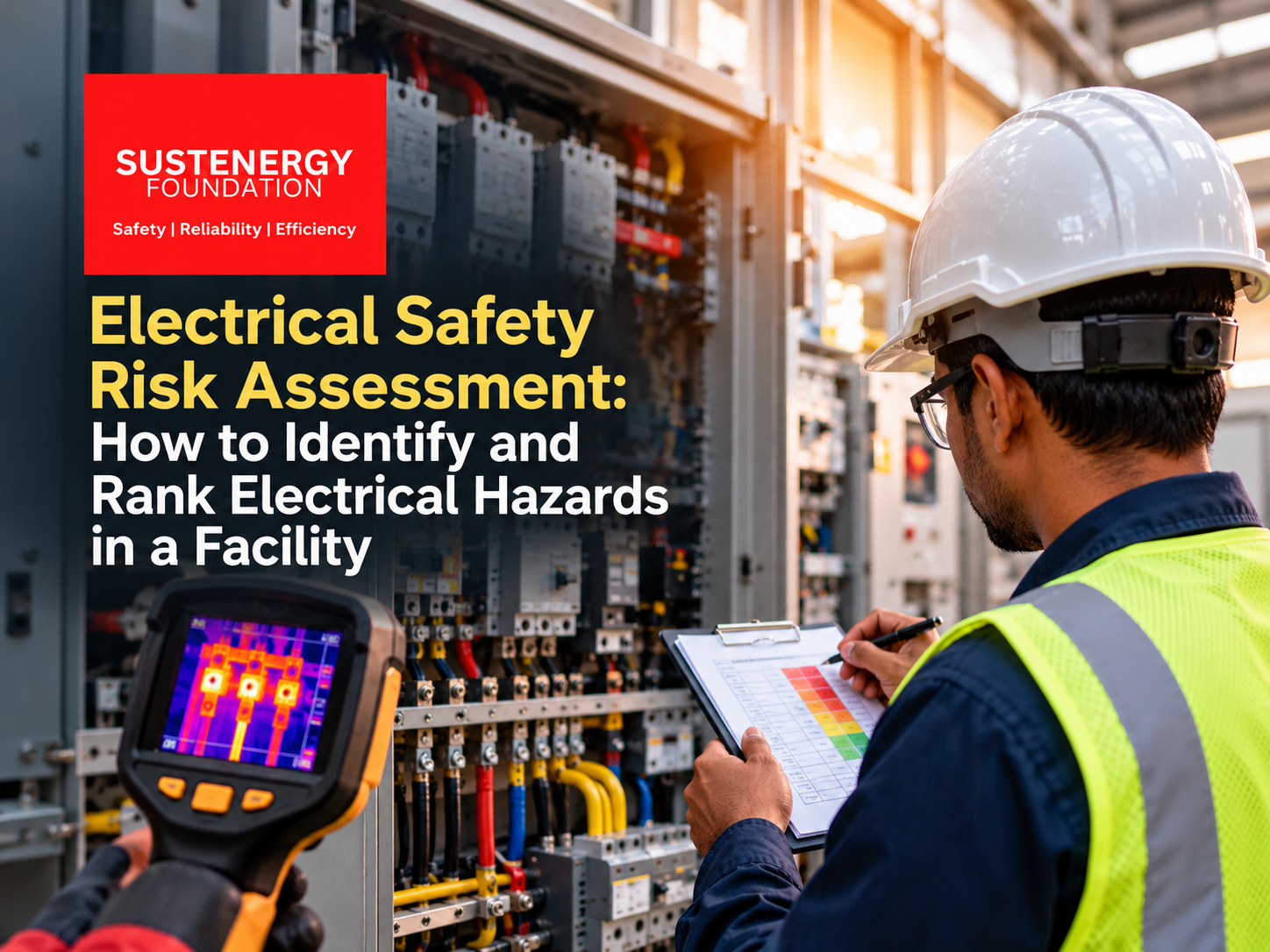
An Electrical Safety Audit is a systematic inspection of the entire electrical system to identify hazards before they cause accidents.
Benefits include:
- Detect overloaded circuits and loose connections
- Identify overheating panels using thermal scanning
- Check earthing and protection systems
- Verify compliance with CEA / NBC / NABH standards
- Prevent fire due to short circuit or insulation failure
Guidelines for hospital safety clearly recommend periodic electrical inspection, documentation, and preventive maintenance to protect patients, staff, and infrastructure.
Importance of Fire Safety Audit
A Fire Safety Audit ensures that the building can prevent, detect, and control fire effectively.
Fire audit includes:
- Fire alarm & detection system check
- Fire extinguisher and hydrant inspection
- Emergency exit and evacuation plan verification
- Compliance with National Building Code
- Mock drills and risk assessment
In India, periodic fire audit is mandatory for hospitals, hotels, malls, industries, and commercial buildings.
Role of Energy Audit in Preventing Electrical Hazards
Many electrical fires happen due to:
- Overloaded systems
- Poor power distribution
- Old wiring
- Inefficient equipment
An Energy Audit helps in:
- Load balancing
- Identifying excess consumption
- Preventing overheating
- Improving system efficiency
- Reducing risk of electrical failure
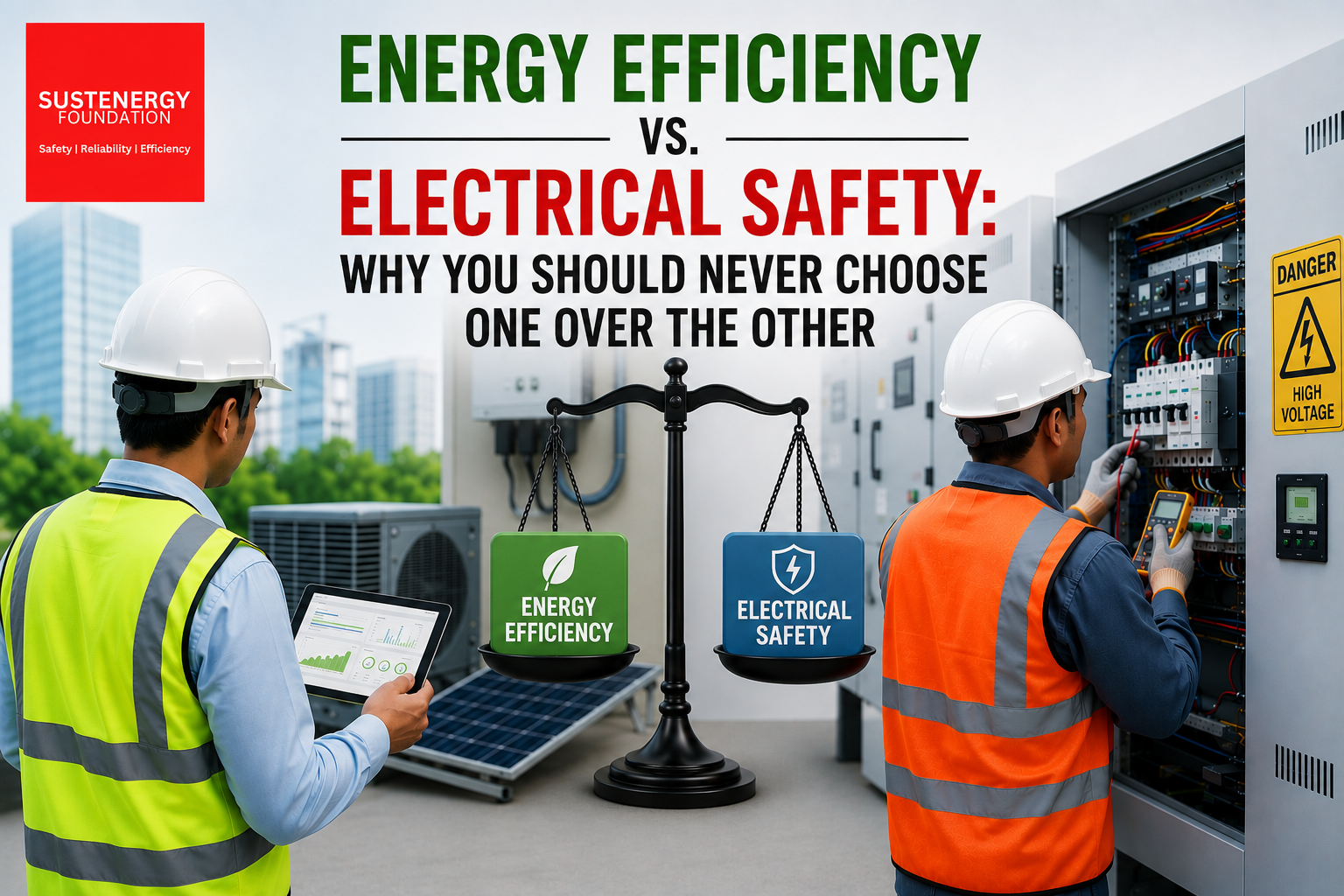
Energy audits not only save power but also improve safety.
How Sustenergy Foundation Helps Prevent Such Tragedies
Sustenergy Foundation – Best Electrical Safety Audit Firm in India provides professional audit services for:
- Hospitals
- Hotels & Resorts
- IT Parks
- Industries
- Commercial Buildings
- Educational Institutions
- Government Facilities
Services include:
- Electrical Safety Audit
- Fire Safety Audit
- Energy Audit
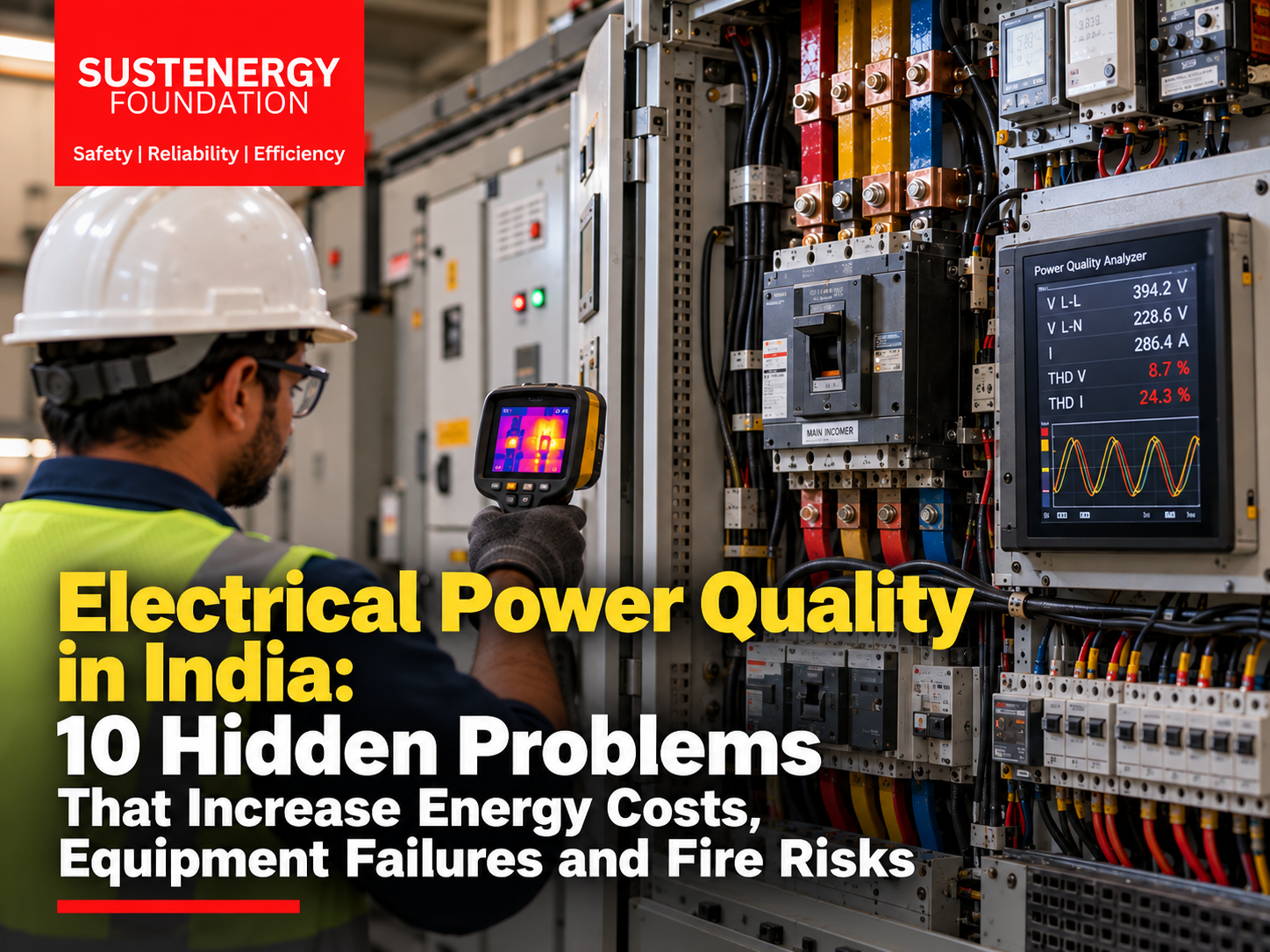
- Thermography Inspection
- Compliance Audit as per CEA / NBC / NABH
- Risk Assessment & Safety Reporting
Regular audits can detect problems early and prevent accidents like the Odisha hospital fire.
A Wake-Up Call for Every Facility Owner
The SCB Medical College fire is not just a news story —
it is a warning for every building owner, hospital administrator, and facility manager.
Ignoring safety audits can cost lives.
Proactive safety checks can save lives.
Conclusion
The tragic fire at SCB Medical College reminds us that safety cannot be taken lightly, especially in hospitals and high-occupancy buildings.
Regular Electrical Safety Audit, Fire Safety Audit, and Energy Audit must be treated as mandatory, not optional.
If proper safety inspections are done on time, disasters can be prevented.
Sustenergy Foundation is committed to making buildings safer across India through professional audit services and safety compliance solutions.
—--------------------------------------------------------------------------------------------------------------------
Note: All blogs are prepared by Sustenergy Foundation based on our research in the respective sector/industry and on factual audits conducted by us, drawing from our expertise in the field through electrical safety audits, energy audits, or other related studies. These blogs are published with the purpose of creating awareness and sharing technical expertise with employees at various levels — from laypersons to experts — and are prepared in accordance with the blog policy of Sustenergy Foundation.
Prepared by Sreelakshmi. S Head - Engineering
Reviewed and approved by Jayakumar Nair, Managing Director