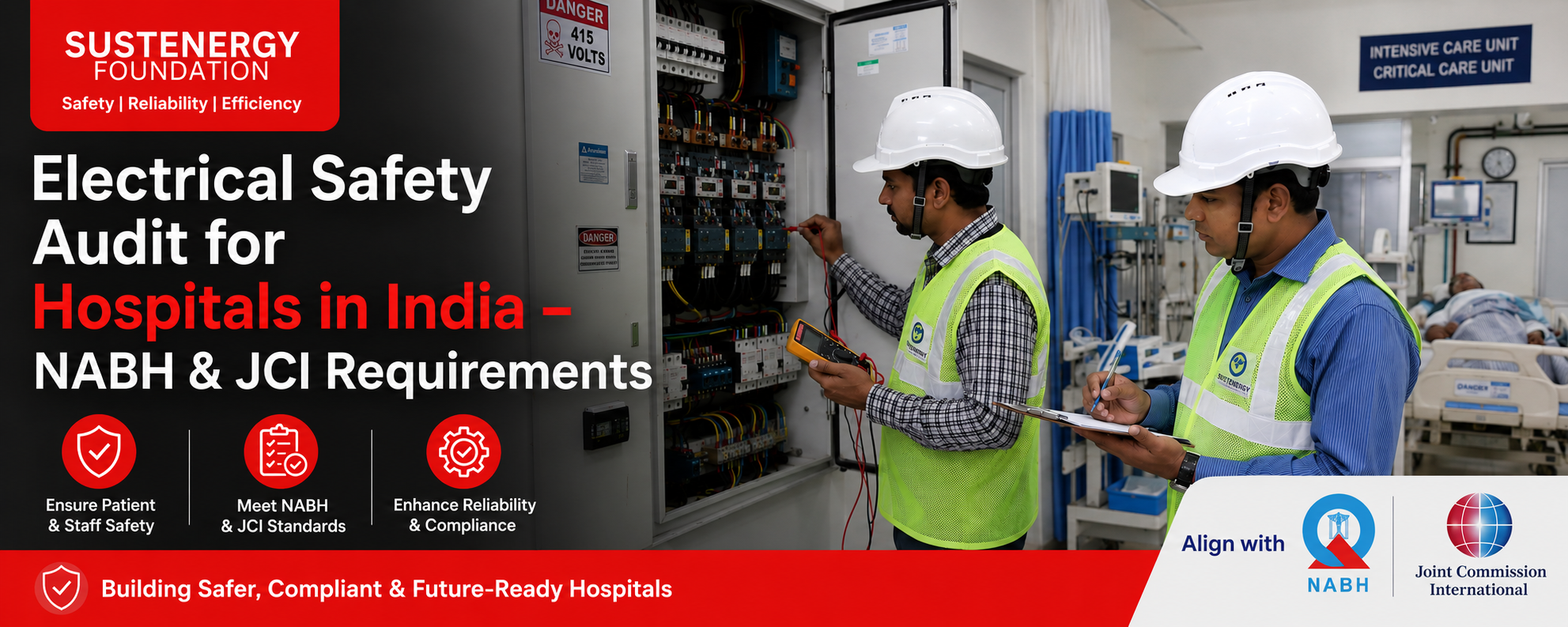
Electrical Safety Audit for Hospitals in India – NABH & JCI Requirements
Introduction
Indian healthcare facilities are increasingly adopting quality management systems to enhance performance, patient safety, and operational reliability. Among these, NABH (National Accreditation Board for Hospitals) and JCI (Joint Commission International) standards stand out as benchmarks for excellence. Both frameworks emphasize patient safety, and electrical safety audits form a critical part of these initiatives.
Electrical systems are the lifeline of modern hospitals. From ICUs and operating theatres to laboratories and data centers, uninterrupted and safe electricity supply is non‑negotiable. Any anomaly can lead to catastrophic consequences — fires, shocks, equipment failures, or even loss of life. Hence, electrical safety audits are not just compliance exercises; they are essential risk management tools.
NABH 5th Edition vs NABH 6th Edition – The Shift in Approach
The major difference between NABH’s 5th and 6th editions lies in the philosophy of audits:
- 5th Edition: Primarily compliance‑driven, focusing on documentation, checklists, and periodic verification.
- 6th Edition: Moves towards a risk‑based, evidence‑driven, and continuous monitoring model. Hospitals are expected to demonstrate proactive risk identification, mitigation, and ongoing improvement rather than just producing compliance records.
This evolution reflects global best practices and aligns with JCI’s emphasis on continuous quality improvement. For electrical safety, it means hospitals must not only prove they have systems in place but also show evidence of their effectiveness in real‑world conditions.
Why Electrical Safety Audits Are Important
Electricity powers every aspect of healthcare delivery. Yet, it also poses hidden dangers if not managed properly. Key risks include:
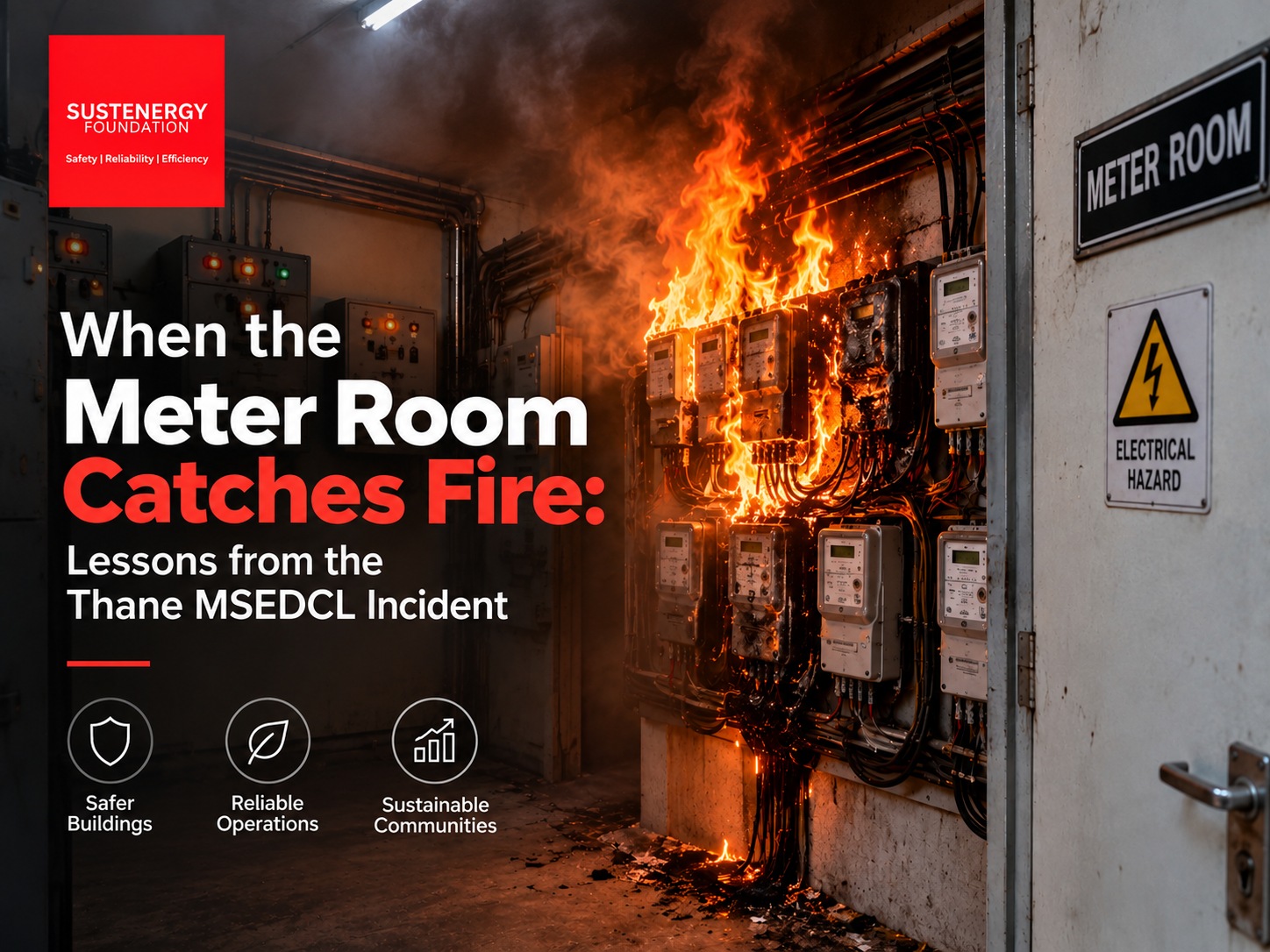
- Fire Hazards: Overloaded circuits, faulty wiring, or overheating equipment can trigger fires.
- Shock Hazards: Improper earthing or faulty sockets can expose staff and patients to electrical shocks.
- Premature Equipment Failure: Sensitive medical devices like ventilators, dialysis machines, and imaging systems are vulnerable to voltage fluctuations and harmonics.
- Erratic Performance: Even minor anomalies can cause diagnostic errors or interruptions in critical care.
- Increased Maintenance & Energy Costs: Inefficient systems consume more power and require frequent repairs.
In a hospital, these risks translate directly into patient safety concerns. A single electrical incident can disrupt surgeries, ICU operations, or life‑support systems.
How to Conduct Electrical Safety Audits in Hospitals
Audits must be designed to minimize disruption to hospital operations. Experienced auditors understand the sensitivity of healthcare environments and adopt methods that ensure safety without interrupting patient care.
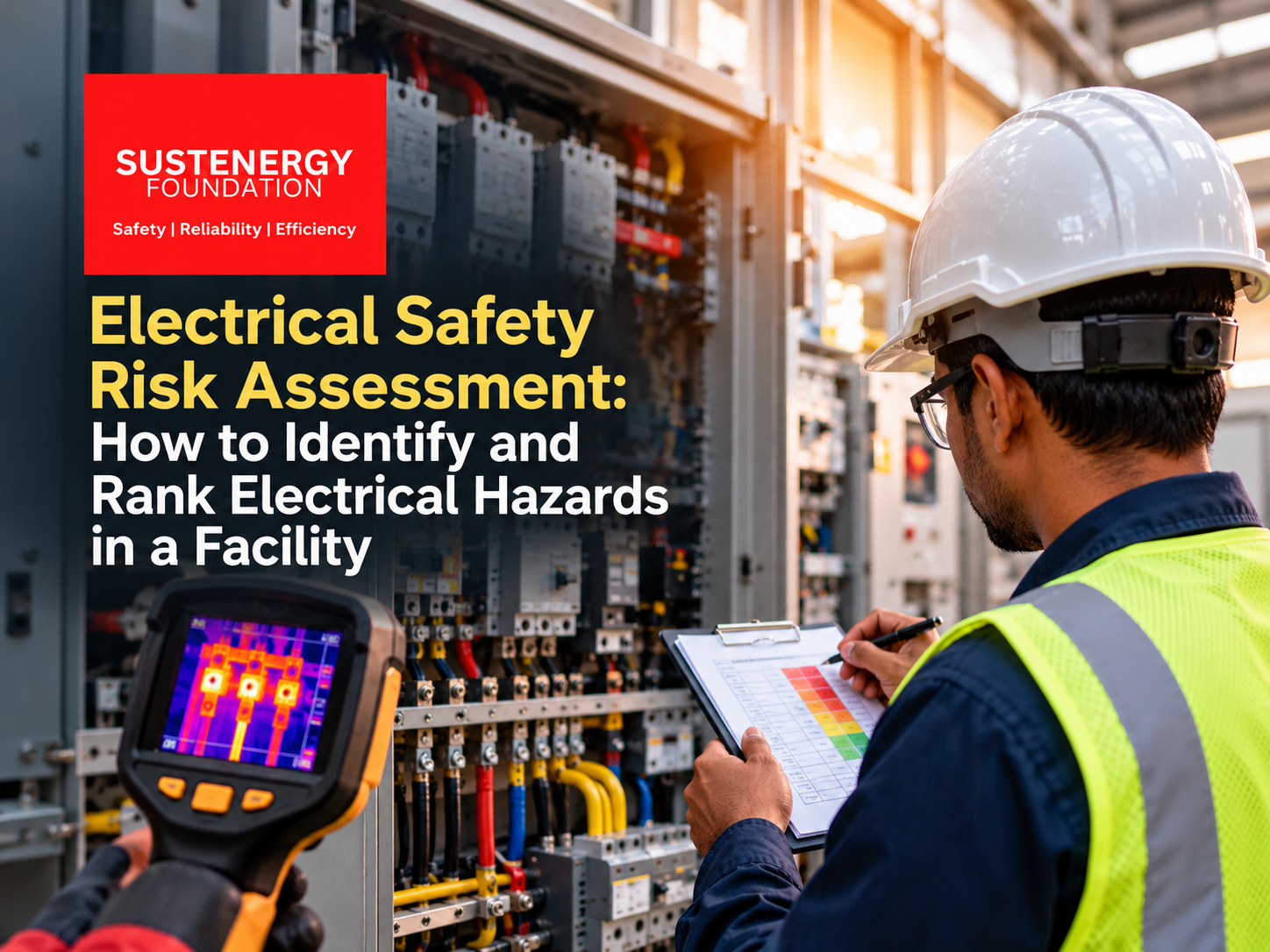
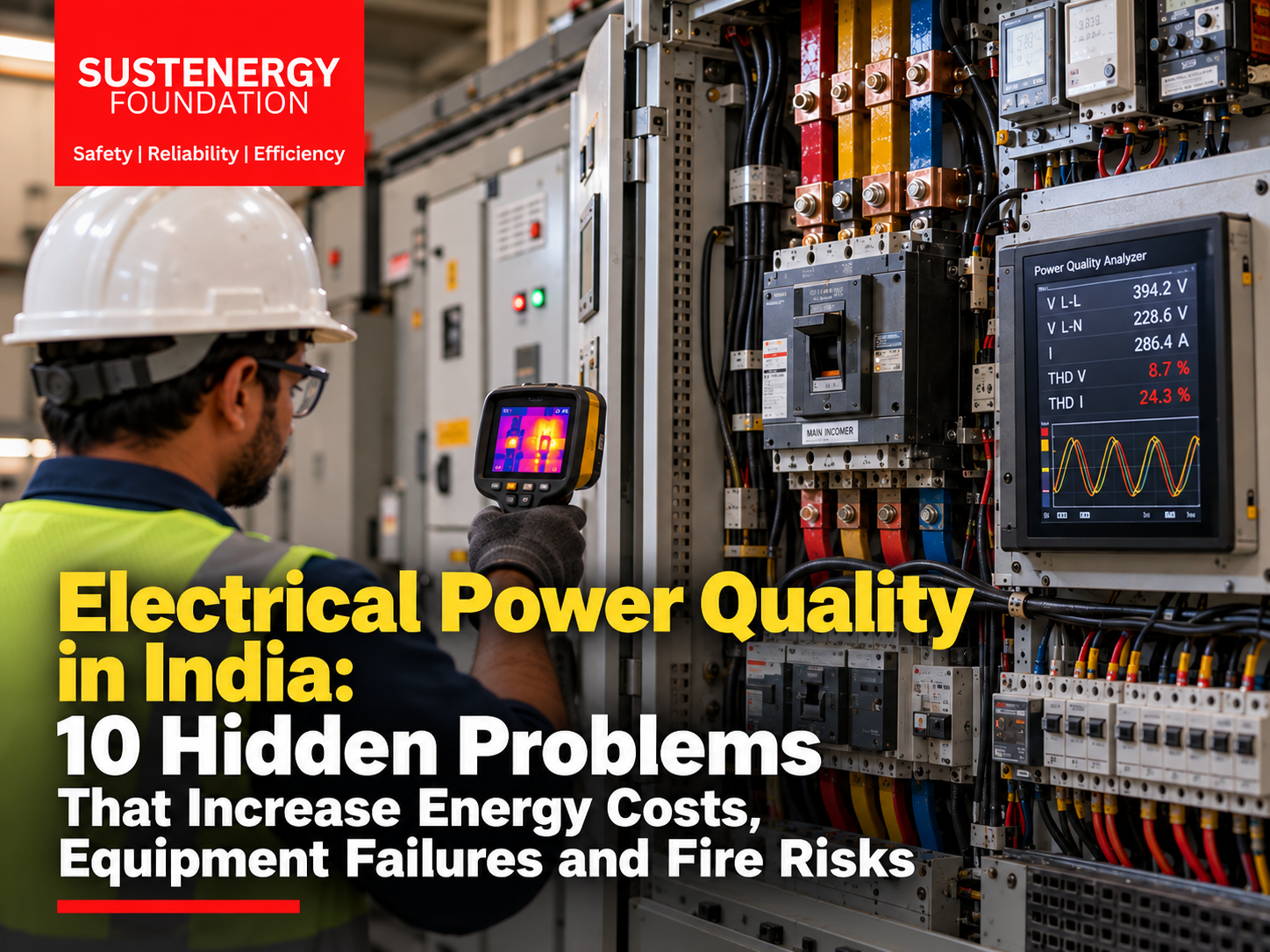
- Non‑intrusive Auditing: While ideal audits may involve switching off power, experts can conduct effective assessments without shutdowns, using advanced tools like thermal imaging and portable analyzers.
- Specialized Expertise: Auditors must have experience in hospital environments, where electrical systems are more complex and critical than in commercial buildings.
- Patient Safety Priority: Every step of the audit must be aligned with the hospital’s mission of uninterrupted care.
Tests and Inspections to Be Carried Out
1. Compliance Verification
- National Electrical Code (NEC)
- National Building Code (NBC)
- IS standards
- Industry best practices
Coverage must include:
- HT/LT substations
- Floor electrical rooms
- Distribution boards and field panels
- Operating theatres (OTs)
- ICUs, Cath labs and dialysis units
- Laboratories and CSSD
- Kitchens and cafeterias
- Data centers and hub rooms
- Conducted by a qualified thermographer using professional cameras.
- Identifies hidden risks such as overheating, loose connections, or poor cooling.
- Detects early signs of fire hazards and premature equipment failure.
3. Earthing Effectiveness
- Earth fault loop impedance tests.
- Residual current circuit breaker (RCCB) testing.
- Earth pit inspection.
- Verification of equipotential bonding.
4. Lightning & Surge Protection
- Assessment of lightning arrestors and surge protection devices.
- Verification of grounding systems.
- Inspection of tools and tackles used for maintenance.
5. Maintenance Management Review
- Effectiveness of preventive maintenance schedules.
- Adequacy of spare parts and trained personnel.
- Documentation of corrective actions.
Beyond the Audit – Continuous Improvement
An audit is only the starting point. Hospitals must:
- Implement corrective actions based on audit findings.
- Conduct post‑audit verification to ensure effectiveness.
- Establish continual improvement measures, such as periodic monitoring and staff training.
Electrical safety is not a one‑time exercise. It requires ongoing vigilance to adapt to new risks, technologies, and patient care demands.
NABH & JCI – Global Alignment
Both NABH and JCI emphasize,
- Risk‑based management rather than compliance checklists.
- Evidence of effectiveness through monitoring and documentation.
- Patient safety as the ultimate goal.
Electrical safety audits directly support these objectives by ensuring that hospitals can demonstrate:
- Proactive risk identification.
- Corrective and preventive actions.
- Continuous monitoring and improvement.
Expected Outcomes of Electrical Safety Audits
- Enhanced Patient Safety: Reduced risk of shocks, fires, and equipment failures.
- Operational Reliability: Uninterrupted power supply for critical care areas.
- Cost Optimization: Lower maintenance and energy costs.
- Asset Protection: Extended life of medical equipment.
- Compliance Assurance: Alignment with NABH, JCI, NEC, and IS standards.
Electrical safety is essential
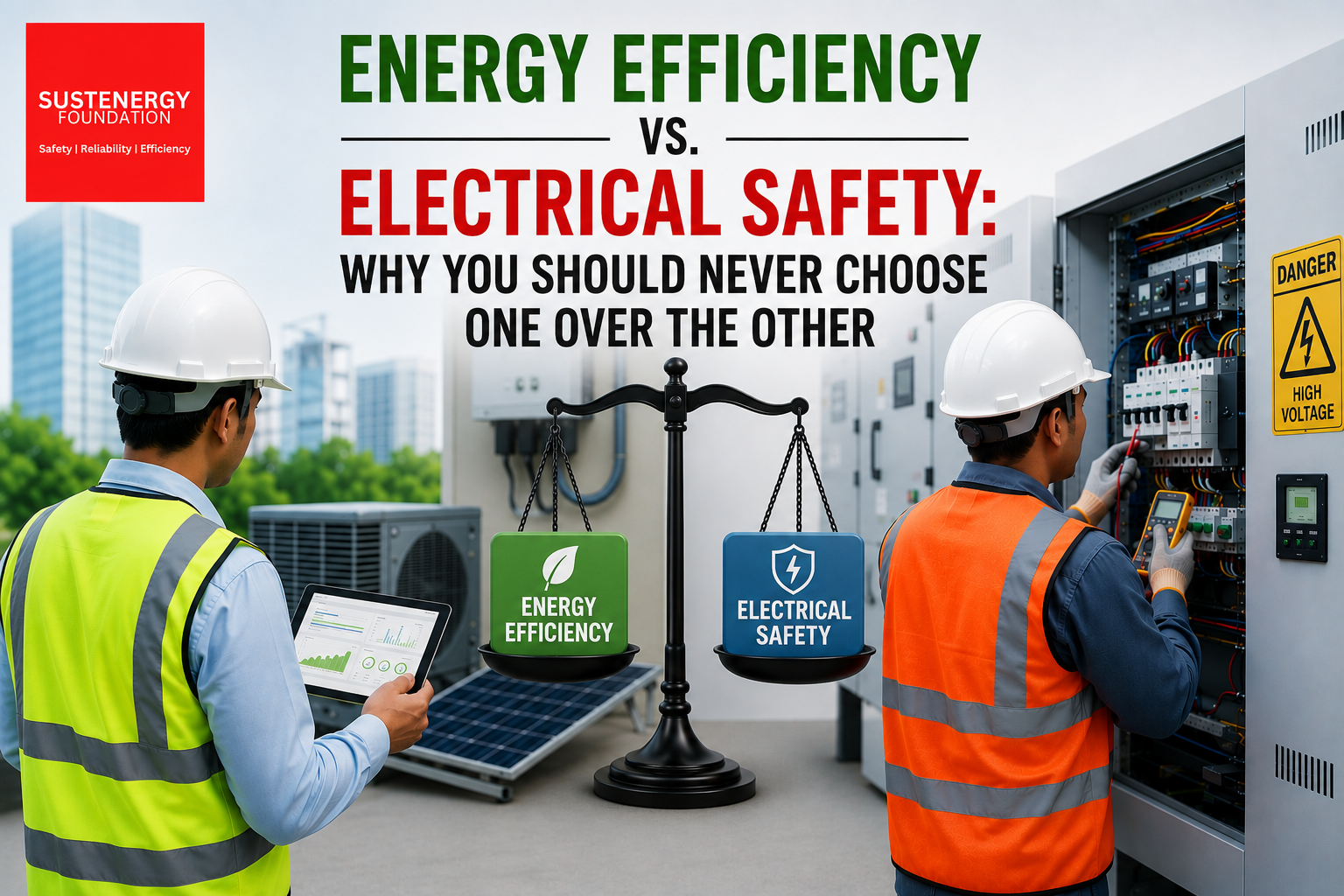
Electrical safety audits are essential for every hospital in India. With NABH and JCI standards evolving towards risk‑based, evidence‑driven models, hospitals must adopt audits not as compliance rituals but as strategic tools for patient safety and operational excellence.
The objective of every quality management system is loud and clear,
- Electrical safety is patient safety.
- Audits are the beginning, not the end.
- Continual improvement is the only way forward.
By embracing comprehensive electrical safety audits, hospitals can protect lives, safeguard assets, and build trust in their ability to deliver reliable, world‑class healthcare.