Electrical Safety Lessons from Tigri Extension Fire incident: Why Electrical Safety Audit Saves Lives.
Introduction
On November 30, 2025, a devastating fire broke out in a four‑storey residential‑commercial building at Block B, Tigri Extension, Sangam Vihar, South Delhi. The blaze, which originated from a ground‑floor footwear shop, claimed four lives, injured one, and destroyed property within minutes. This tragic incident is a stark reminder of the importance of electrical safety and the urgent need for systematic electrical safety audits in India’s densely populated urban areas.
As cities expand and commercial activities grow within residential clusters, risks multiply. Improper electrical installations, unsafe storage of flammable materials, and neglected maintenance often combine to create deadly hazards. Lets review the incident, its causes, impacts, and how the best electrical safety audit firms in India can prevent such tragedies through proactive measures like thermography inspections and structured safety programs.
The Incident: What Happened?
On Saturday evening, at around 6:24 pm, one PCR call reported a big fire near Tigri Extension. The fire started from the ground‑floor footwear shop and spread rapidly through the building because huge stocks were available of leather and plastic footwear, which is highly flammable material.
Casualties
The owner of the shop, his sister both in their 40s, and two unidentified men believed to be customers of the shop died. Another woman was rescued and hospitalized with 25% burns.
Etiology & Dissemination
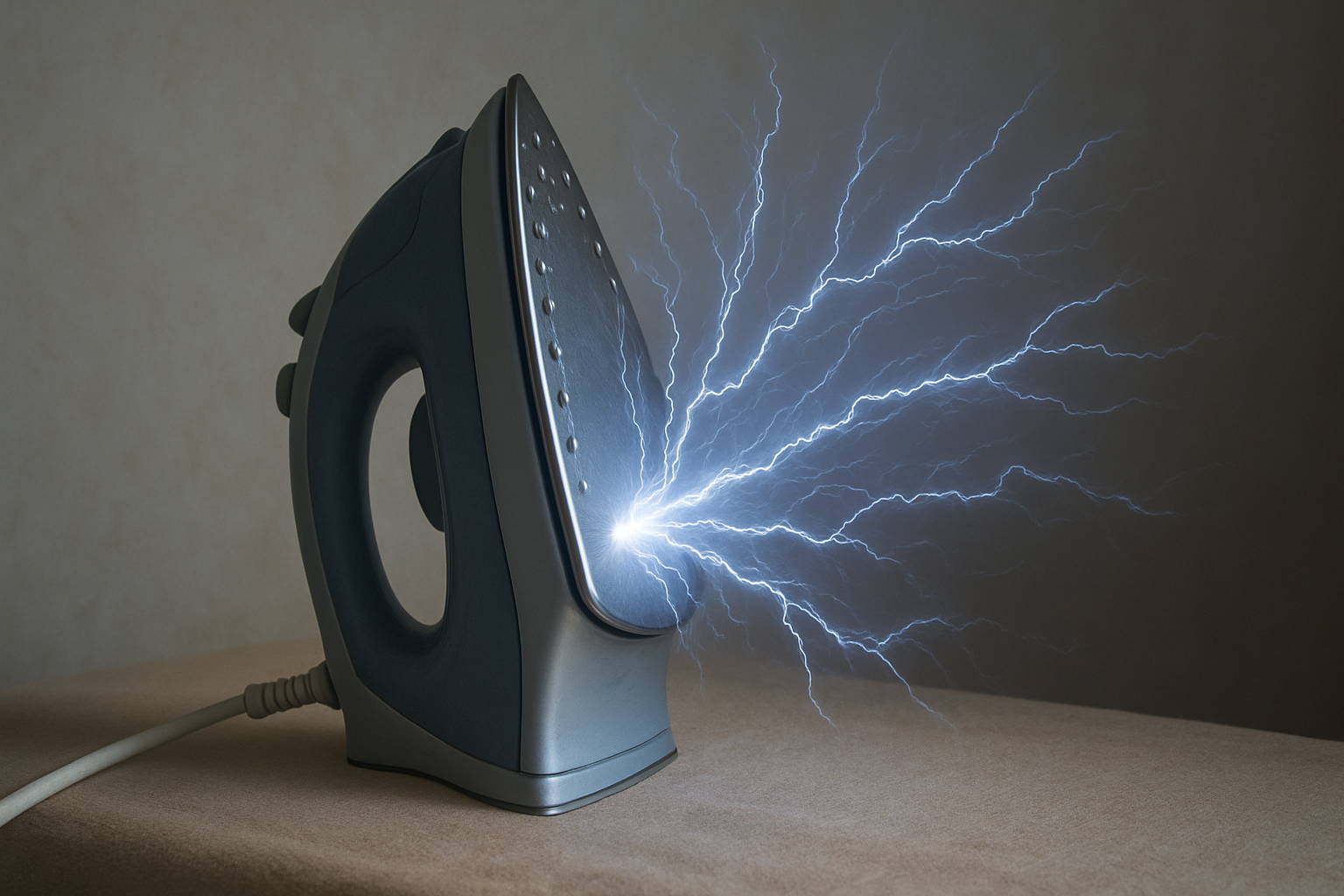
Investigations show a short circuit could have ignited a petrol can kept in the godown. Relatives said an old refrigerator might have caused the spark that ignited the fuel. Once the fire began, flames were fed by the footwear stocked on the premises, shooting upwards and engulfing the entire building.
Response
- 6:24 PM: Fire reported
- 6:27 PM: Fire tenders dispatched
- 7:55–8:00 PM: Blaze controlled by four fire tenders
- Next day: Forensic teams collected burnt wiring, melted fixtures and samples of footwear for investigation
Despite quick response, the dense urban lane and flammable stock accelerated the disaster.
Impacts of the Fire
The Tigri Extension fire underlines the multidimensional impacts of electrical safety failure:
- Human Loss: Four lives lost, one injured, families devastated.
- Damages: Whole building gutted, commercial stock destroyed.
- Community Trauma: The homes of citizens are situated in closely built lanes, where panic and danger spread rapidly.
- Economic Consequences: Loss of livelihood and disruption of local commerce.
- Urban Risk Exposure: Mixed use buildings (residential + commercial) add to hazards in case electrical safety is ignored.
Why Electrical Safety is Critical
Electrical systems are the lifeblood of modern facilities, be it hospitals, hotels, malls, and residential complexes, while silent killers when neglected.
Key Risks
- Short circuits mostly occur due to aging wiring, overloaded circuits, insufficient protection, or poor maintenance.
- Poor Storage: Flammable materials stored near electrical equipment increase the fire hazard.
- Unqualified installations result in unsafe wiring and connections due to a lack of certified technicians and engineers.
- Lack of Audits: Without regular checks, faults are only revealed when disaster strikes.
The Tigri Lesson
The Tigri fire shows that electrical safety is not optional but a necessity. Preventive measures would have identified faulty wiring, unsafe storage, and outdated appliances before they caused the catastrophe.
How Electrical Safety Audits Prevent Tragedies
It is a comprehensive program of electrical installation, equipment, and practices, checking against safety standards. Carried out by the best electrical safety auditing companies in India, such audits aim at identification of risks, recommendation of corrective actions, and establishment of preventive frameworks.
Benefits of Electrical Safety Audits
- Risk Identification: Identifies faulty wiring, overloaded circuits, and unsafe practices.
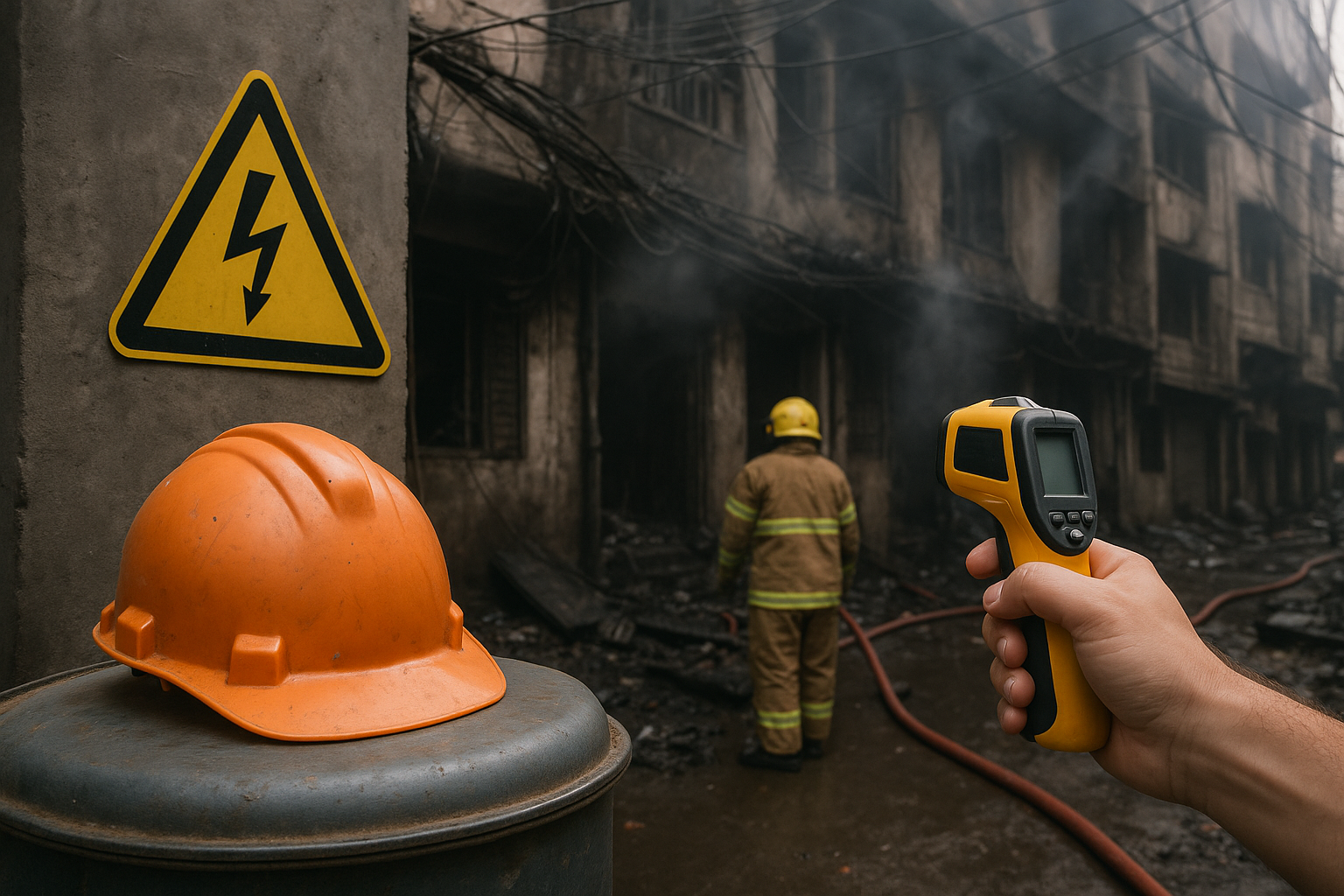
- Thermography Analysis: This identifies hotspots, not visible to the naked eye through infrared imaging, which in turn prevents short circuits and equipment failures.
- Compliance Assurance: Ensures the fulfillment of national and international safety standards.
- Cost Reduction: It prevents losses from fires, downtime, and insurance claims.
- Life Protection: Most importantly, saves innocent lives by eliminating hazards before they escalate.
Thermography: An effective Tool for Electrical Safety
Thermography is considered one of the efficient tools in electrical safety audits, especially for such unplanned load distribution and management in comparatively crowded installations.
- What is Thermography? A non‑intrusive technique using infrared cameras to trace heat patterns in electrical systems.
- Why It Matters:
- Identifies overheating wires, loose connections, and faulty equipment.
- Prevents short circuits and fire hazards.
- Provides pictorial proof of corrective action.
In the Tigri case, thermographic inspection could have shown overheating in the refrigerator or wiring and thus preventive maintenance could have been carried out before the fire erupted. However, thermography
Role of Top Electrical Safety Audit Companies in India
This tragedy has brought to the fore that professional expertise in efficient electrical inspection is required to ferret out hidden risks of hazards. Top electrical safety auditing companies of India integrate technical knowledge, sophisticated tools such as thermography, and industrial experience to offer holistic safety solutions.
What Makes Them Different
- Professional Electrical Safety Auditors: experienced professionals with profound knowledge.
- Advanced Tools: Thermography, Earth fault loop impedance testing, RCCB testing, load analysis, and many more
- Sector Experience: Proven track record across hospitals, hotels, malls, and industries.
- Customized Solutions: Tailored recommendations for each facility's unique risks to identify and repair issues well in advance.
Through hiring the best electrical safety audit firm in India, organizations can ensure proactive risk management and compliance by safeguarding both lives and assets.
Broader Lessons from Tigri Extension
The Tigri fire is not an isolated incident. In India, urban clusters face a similar risk arising from:
- Mixed-use buildings combining residential and commercial spaces.
- Lack of knowledge in electrical safety.
- Poor enforcement of effective safety standards.
- Reluctance to invest in preventive audits.
Moving Ahead
- Compulsory audits: The authorities should make electrical safety audits in commercial and mixed‑use buildings compulsory.
- Awareness Campaigns: To educate shop owners, residents, and facility managers about risks.
- Integration of Technology: Wider use of thermography and digital monitoring.
- Community Preparedness: Training locals in fire response and safety practices.
Overview
The Tigri Extension fire of November 30, 2025 is a tragic reminder of how quickly electrical faults can escalate into deadly disasters. Four lives were lost, families shattered, and a community traumatized—all due to preventable lapses in electrical safety.
Electrical safety audits conducted by the best electrical safety audit firms in India are much more than technical exercises; they are life-saving interventions. Tools like thermography provide early warnings, while structured audits ensure compliance and preventive action.
For hospitals, hotels, malls, and residential complexes, investing in audits is not a cost—it is an insurance against tragedy. As India continues to urbanize, prioritizing electrical safety is essential to protect lives, livelihoods, and communities.
Call to Action: Organizations, facility managers, and business owners must act now. Engage the top electrical safety audit firm in India, adopt thermography inspections, and make electrical safety a non‑negotiable priority. Because every life saved is worth more than any investment.
—--------------------------------------------------------------------------------------------------------------------
Note: All blogs are prepared by Sustenergy Foundation based on our research in the respective sector/industry and on factual audits conducted by us, drawing from our expertise in the field through electrical safety audits, energy audits, or other related studies. These blogs are published with the purpose of creating awareness and sharing technical expertise with employees at various levels — from laypersons to experts — and are prepared in accordance with the blog policy of Sustenergy Foundation.
Prepared by Sreelakshmi. S Head - Engineering
Reviewed and approved by Jayakumar Nair, Managing Director