A Stitch in Time Could Save a Life: Why Electrical Safety Audits Are Vital for Shops and Establishments
Introduction
A tragedy that occurred in Thiruvananthapuram, Kerala, on November 21 shook an ordinary family and reminded us of the silent dangers lurking in everyday workplaces. Krishnendu and Kishor had been leading a regular life till that day. Their mother, Vimala, was the only breadwinner and ran a small tailoring shop to feed her children after her husband's untimely demise. What should have been a routine afternoon at work turned into a nightmare.
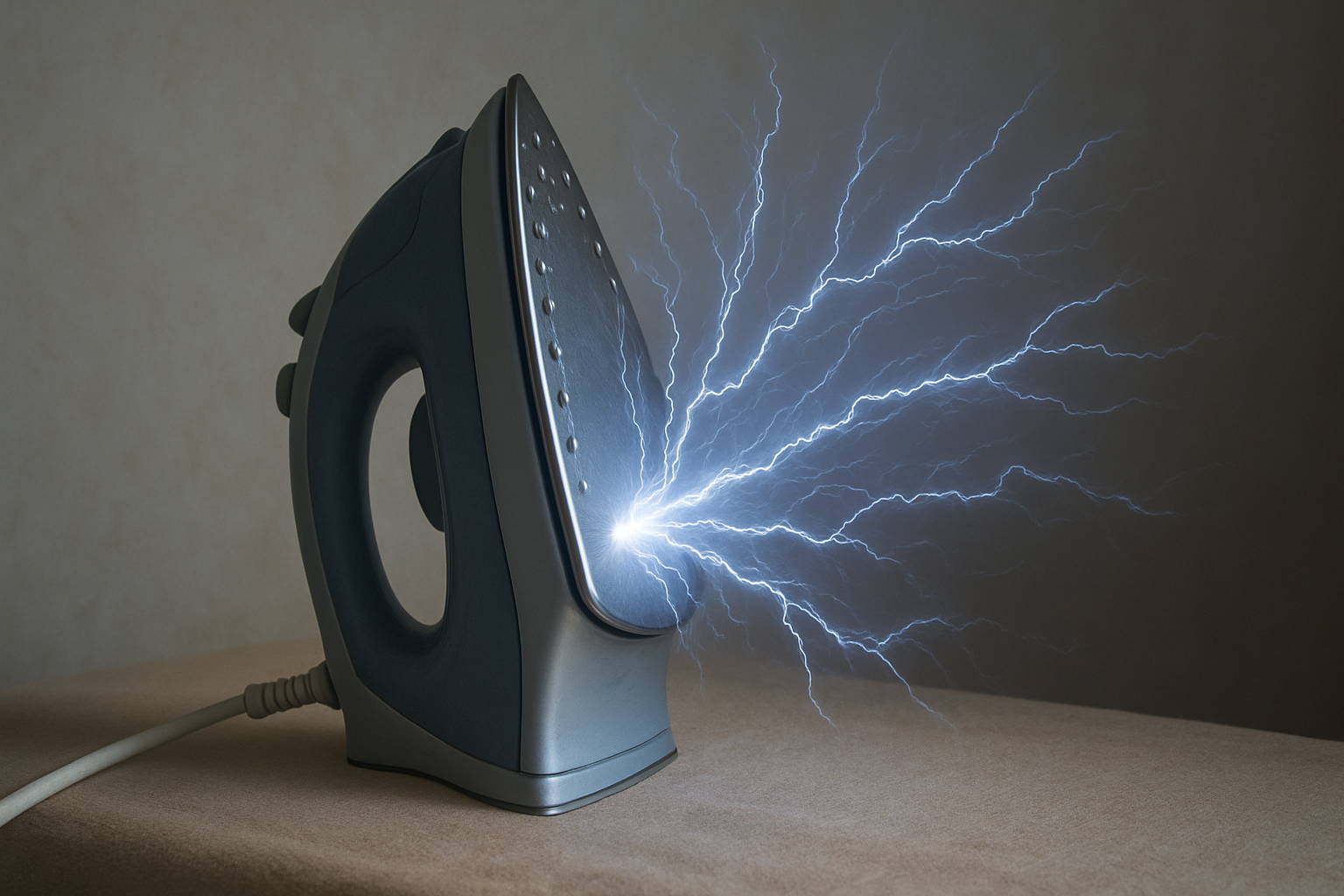
At around 4.10 pm, after finishing one urgent order, Vimala began ironing a blouse she had stitched for a client. She suddenly received a severe electric shock from either the iron box or its wire. She fell in an instant. Neighbours rushed to help and took her to the hospital, but despite their efforts, she lost her life.
But the personal tragedy is also a grim reminder that electrical hazards can take away precious lives in shops and establishments where safety has been overlooked.
Why Did It Happen?
Although the cause of the accident was not precisely known, from the information available, some critical factors were evident:
- Damaged insulation: The plug top or wire of the iron box probably had worn-out insulation, exposing live conductors.
- Lack of protective devices: The shop was not fitted with a Residual Current Circuit Breaker, an essential safety device to cut off power supply instantaneously in case of a fault.
- Lack of periodic inspection: There is no indication that the shop had undergone any electrical safety audit or inspection in recent years.
- Unawareness of risks: Like many small business owners, Vimala may not have been aware of the dangers posed by faulty wiring or the importance of protective devices.
It was a fatal combination of technical failure along with the lack of preventive measures.
The Silent Risks in Everyday Shops
It is common to find small shops and establishments in congested, under-resourced settings. The owners are more concerned with customer service and other day-to-day operations than with electrical safety. Yet, risks are everywhere:
- Old wiring that deteriorates over time.
- Improvised connections made during peak seasons that remain permanent.
- High-power appliances include irons, sewing machines, refrigerators, and air conditioners.
- Absence of protective devices such as RCCBs, MCBs, and proper earthing.
- Untrained staff may not recognize warning signs, which can include sparks, smells of burning, or flickering lights.
These risks are magnified in tailoring shops, eateries, and small retail outlets where electrical appliances are used continuously.
Why Periodic Electrical Safety Audits Are Essential
Periodic electrical safety audits are not a mere formality but life-saving interventions. Here's why they matter:
1. Early Detection of Faults
Audits identify damaged wires, loose connections, and overloaded circuits before they cause accidents. Preventive maintenance can save lives and property.
2. Installation of Protective Devices
The RCCB, circuit breakers, and earthing systems are recommended and their presence checked by auditors. They are the first defense against shocks and fires.
3. Comply with Regulations
Most states require safety audits to be performed in commercial establishments. Not having an audit might mean penalties and liabilities when accidents occur.
4. Protecting Livelihoods
For small business owners like Vimala, the shop is more than a place to work—it's a family lifeline. Audits safeguard those livelihoods against disastrous losses.
5. Customer and Employee Safety
Shops are public places. Ensuring electrical safety protects both employees and customers, building trust and confidence.
6. Insurance Validity
Many insurance claims necessitate proof of safety compliance. Without audits, claims may be denied after an incident.
7. Energy Efficiency
Audits also highlight inefficiencies that help businesses save on electricity bills while improving safety.
What An Electrical Safety Audit Entails
A professional electrical safety audit will typically cover:
- Inspection of wiring systems: insulation, conductor health, and routing.
- Load analysis: Ensuring circuits are not overloaded.
- Protective device testing: Checking RCCBs, MCBs, and fuses.
- Checks on earthing and earth leakage protection: Ensuring safe discharge of fault currents.
- Thermal Imaging: Hotspot detection in panels and connections.
- Compliance review: Verification of adherence to national and local electrical codes.
- Recommendations: Suggesting corrective actions and upgrades.
Lessons from Vimala’s Tragedy
The Thiruvananthapuram incident is heart-wrenching, but it carries important lessons:
- Electrical safety is non-negotiable.
- Protective devices save lives. An RCCB could have prevented Vimala's death by instantaneously disconnecting power.
- Auditing should be regular. Shops and establishments must conduct the audit annually or bi-annually.
- Awareness is key. It is important that owners and workers be informed about risks and preventive measures.
- Prevention is less costly than recovery. The cost of an audit or the installation of protective devices is small compared to lives lost and business destroyed.
Building a Culture of Safety
Periodic audits also work effectively only when combined with a culture of safety. Shops and establishments must: Train staff to identify hazards and quickly respond. Avoid shortcuts such as makeshift wiring or overloading sockets. Invest in quality equipment and certified electricians. Document and promptly act on audit findings. Conduct campaigns and workshops to raise awareness among small business owners.
Quick Recap
On November 21, Vimala fell victim to a spark of electricity, leaving her children Krishnendu and Kishor in a daze. The tragedy was avoidable. Ripped insulation and the absence of protective devices turned an otherwise simple duty into a fatal accident. Periodic electrical safety audits can prevent such incidents. They save lives, livelihoods, and communities. For each shopkeeper, entrepreneur, and business owner, there will be a clear message: safety does not happen by accident but rather by choice. Let Vimala's story serve as a wake-up call that inspires us to act, audit, and ensure no family ever has to suffer a loss of this magnitude.