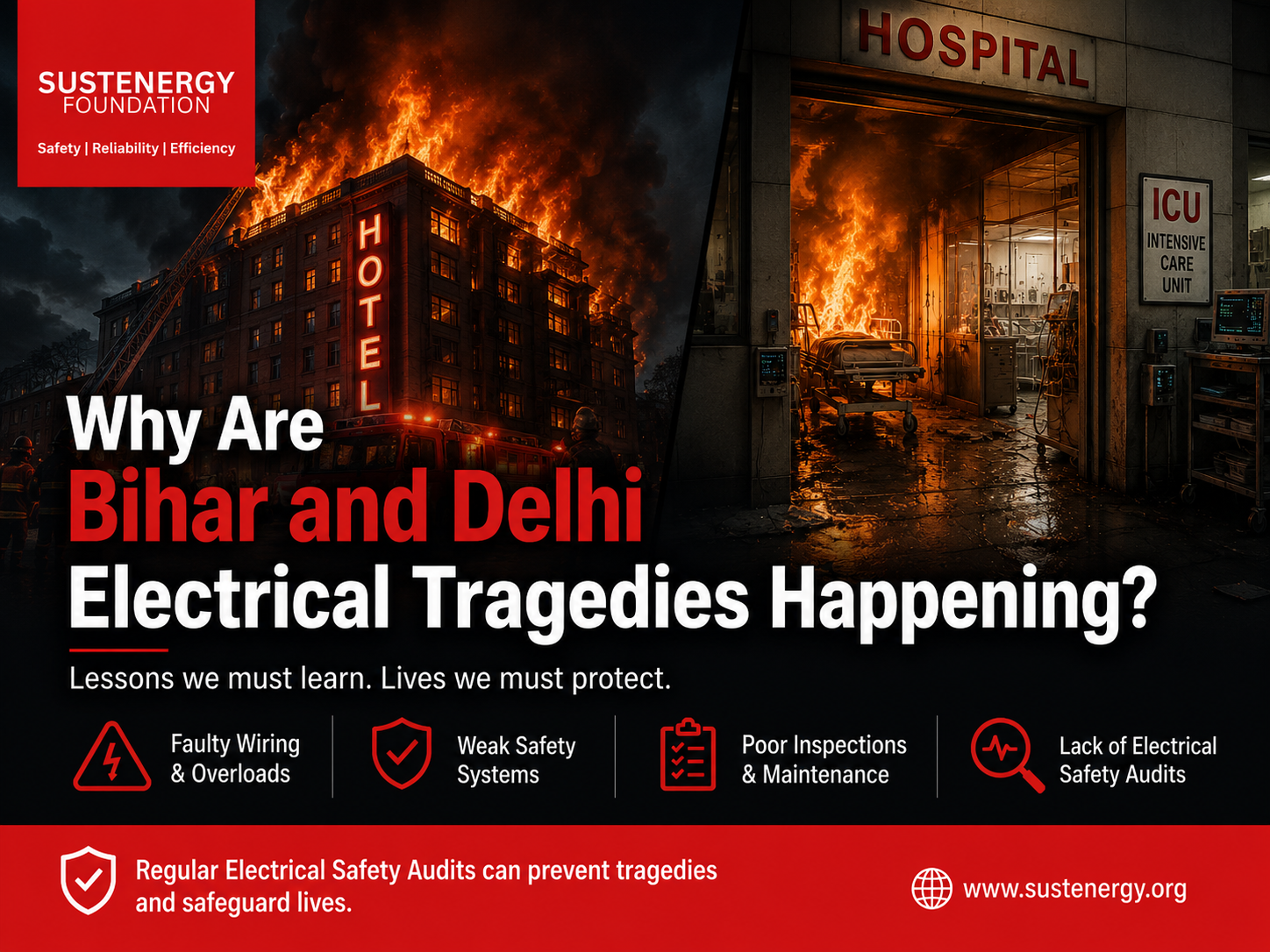
Why Are Bihar and Delhi Electrical Tragedies Happening?
How We Can Protect Hospitals, Hotels, and Other Premium Facilities from Electrical Hazards
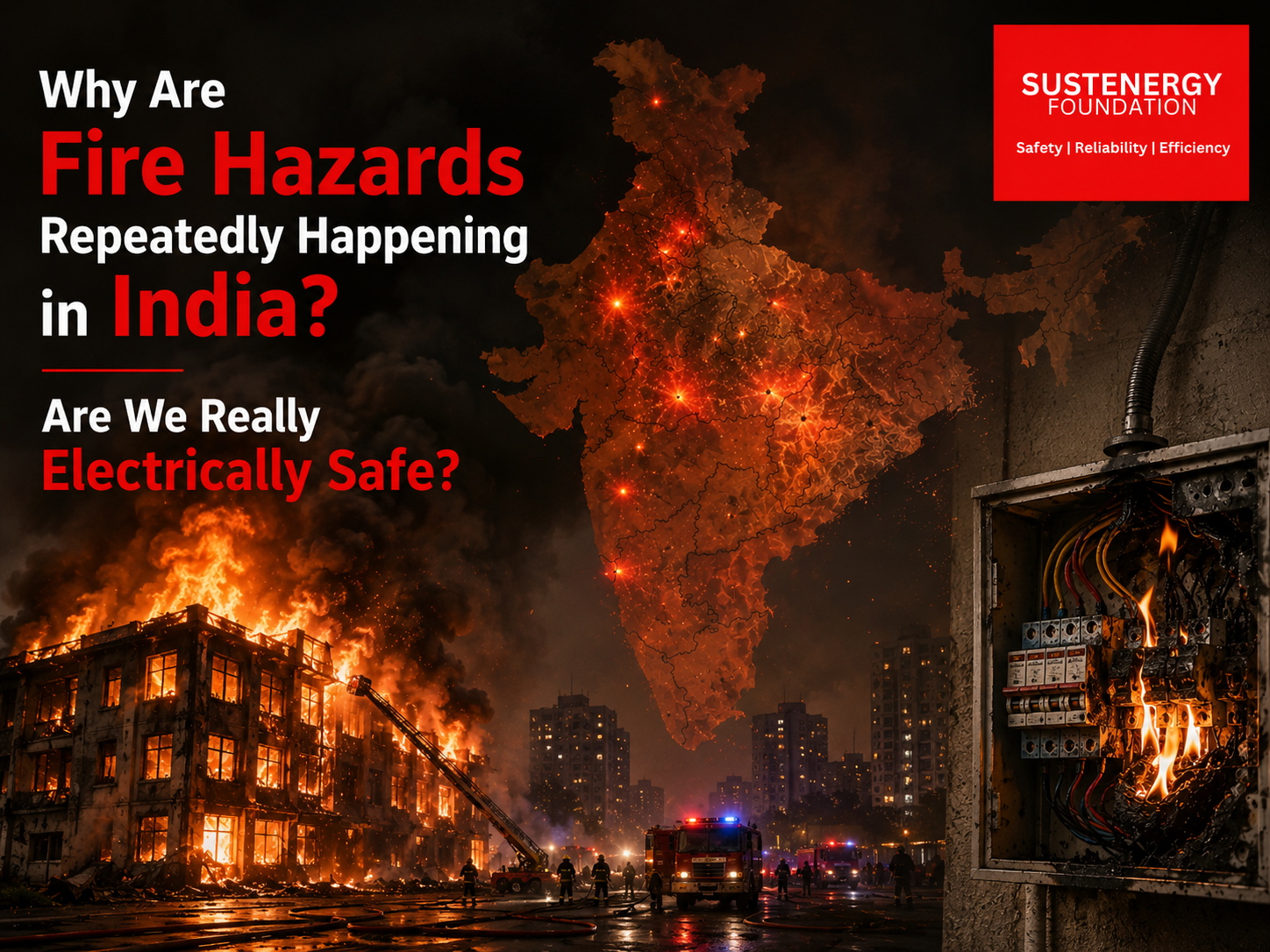
The tragic incidents that unfolded in Delhi and Bihar during the first week of June 2026 are heartbreaking reminders that electrical safety cannot be taken for granted.
In Delhi's Malviya Nagar, a devastating hotel fire claimed 21 lives, including 12 foreign nationals. Just a day later, a fire in the ICU of a hospital in Muzaffarpur, Bihar, took the lives of four critically ill patients who were unable to escape. While these incidents occurred in different settings, they share a common and deeply concerning factor—suspected electrical failures.
These were not simply unfortunate accidents. They expose serious gaps in electrical safety management, maintenance practices, and compliance systems within some of our most important facilities.
A Closer Look at What Went Wrong
According to preliminary reports, the Delhi hotel fire originated from an electrical short circuit within the building's wiring system. The situation quickly escalated due to inadequate safety measures, including a single exit route and sealed windows that trapped occupants inside the building.
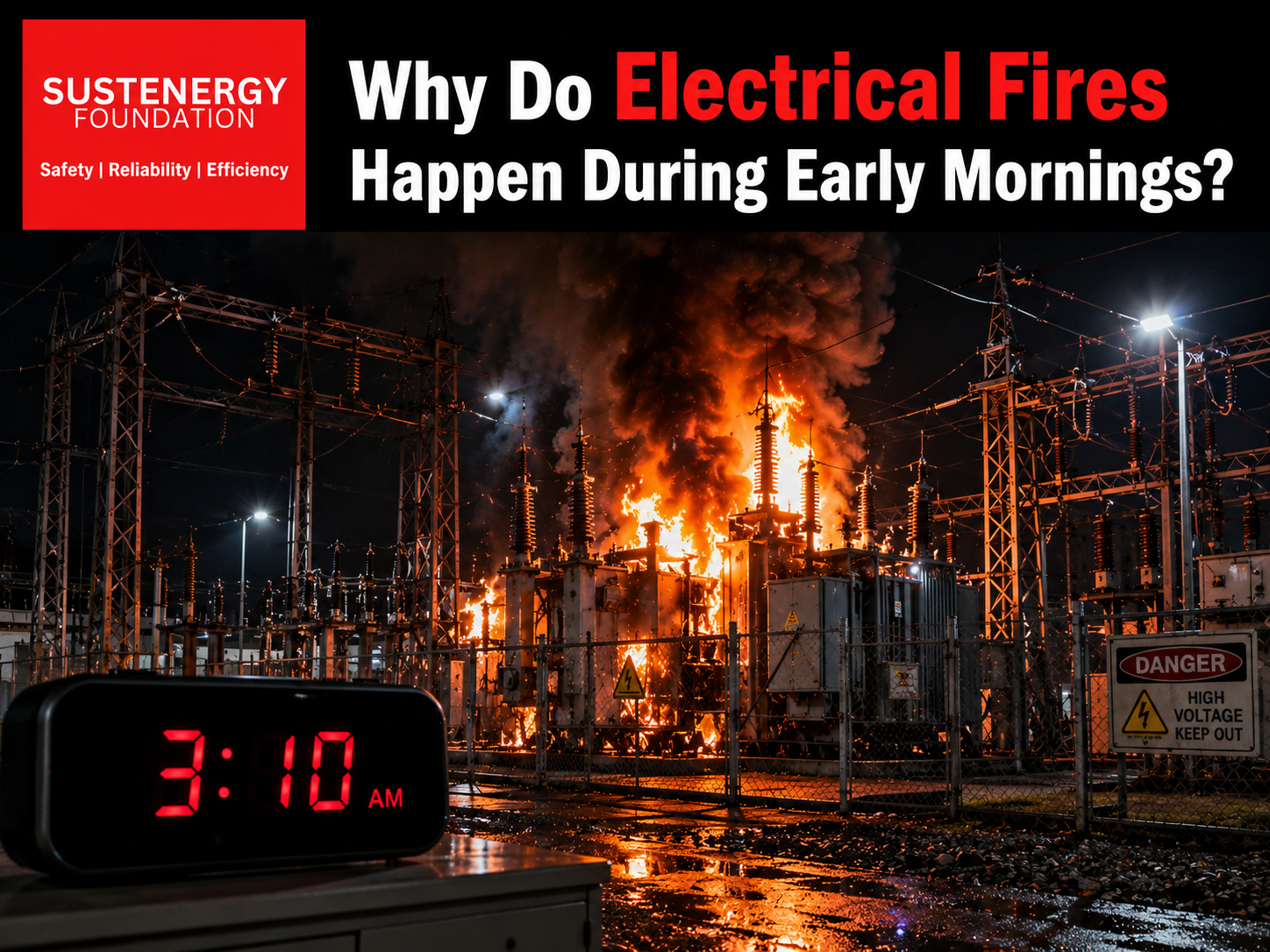
In Muzaffarpur, the fire reportedly started from an electrical fault in the ICU's electrical network during the early hours of the morning. The patients, many dependent on life-support equipment, had little chance of evacuation once the fire spread.
These incidents highlight a troubling reality: electrical hazards can become deadly when combined with poor infrastructure, inadequate maintenance, and the absence of emergency preparedness.
The Hidden Causes Behind Electrical Fires
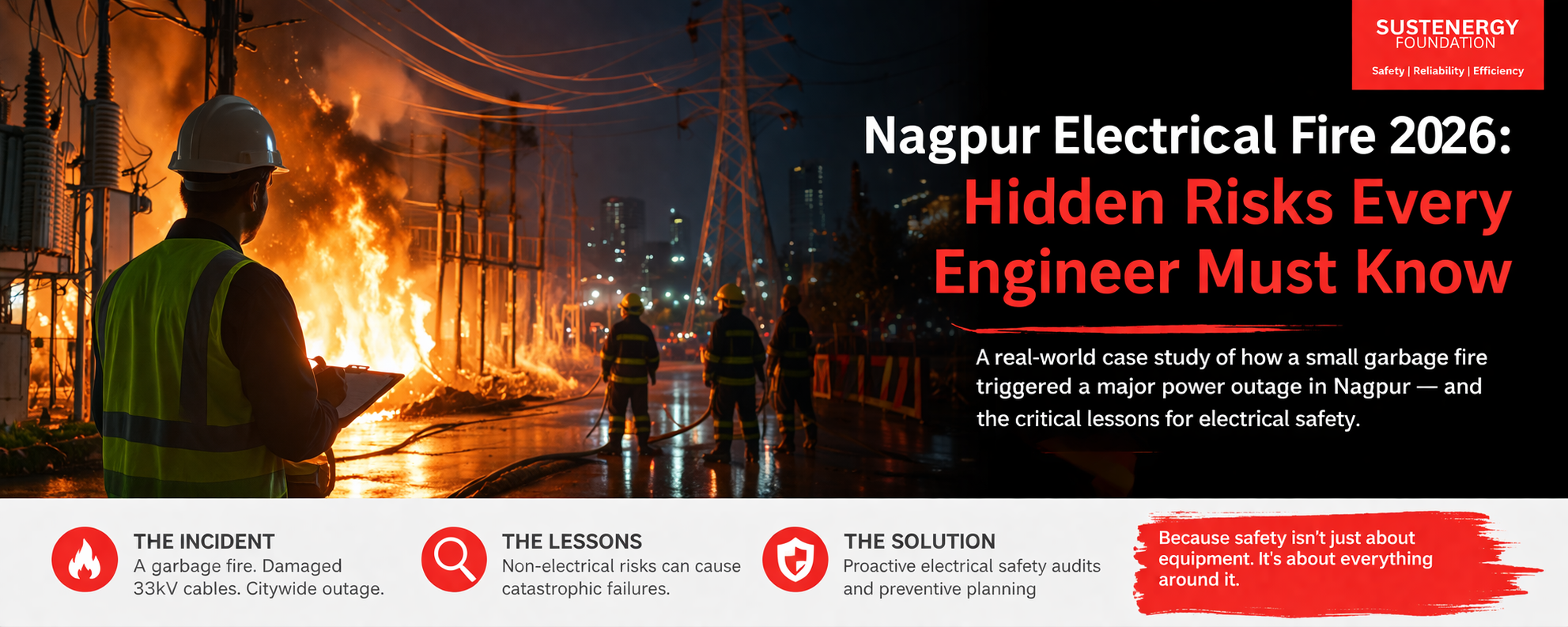
Electrical systems are often overlooked until something goes wrong. However, many fires begin with warning signs that remain unnoticed for months or even years.
Some of the most common causes include:
- Aging and deteriorated wiring systems that may have been installed decades ago.
- Overloaded electrical circuits, especially in high-demand areas such as ICUs, kitchens, laundry facilities, and equipment rooms.
- Inadequate protection against overloads, short circuits, and earth leakage faults.
- Poor maintenance practices that allow loose connections and overheating points to develop.
- Lack of regular inspections and testing against current standards and regulations.
- Failure to comply with basic fire and life safety requirements.
Many of these issues can be identified early through advanced inspection techniques such as thermal imaging and thermography, which reveal overheating components before they ignite.
The Cost of Ignoring Electrical Safety
The impact of an electrical fire extends far beyond damaged equipment and buildings.
For businesses, the consequences can include:
- Crores of rupees in property losses.
- Operational shutdowns and loss of revenue.
- Increased insurance claims and legal liabilities.
- Damage to reputation and customer trust.
- Potential suspension or closure of operations.
Most importantly, the human cost is immeasurable. Families lose loved ones, employees suffer trauma, and communities are left questioning whether the tragedy could have been prevented.
In the Delhi and Bihar incidents alone, 25 lives were lost. Every one of those deaths represents a painful reminder of why electrical safety must be treated as a leadership priority.
The Way Forward: Proactive Electrical Safety Audits
The good news is that most electrical hazards are preventable.
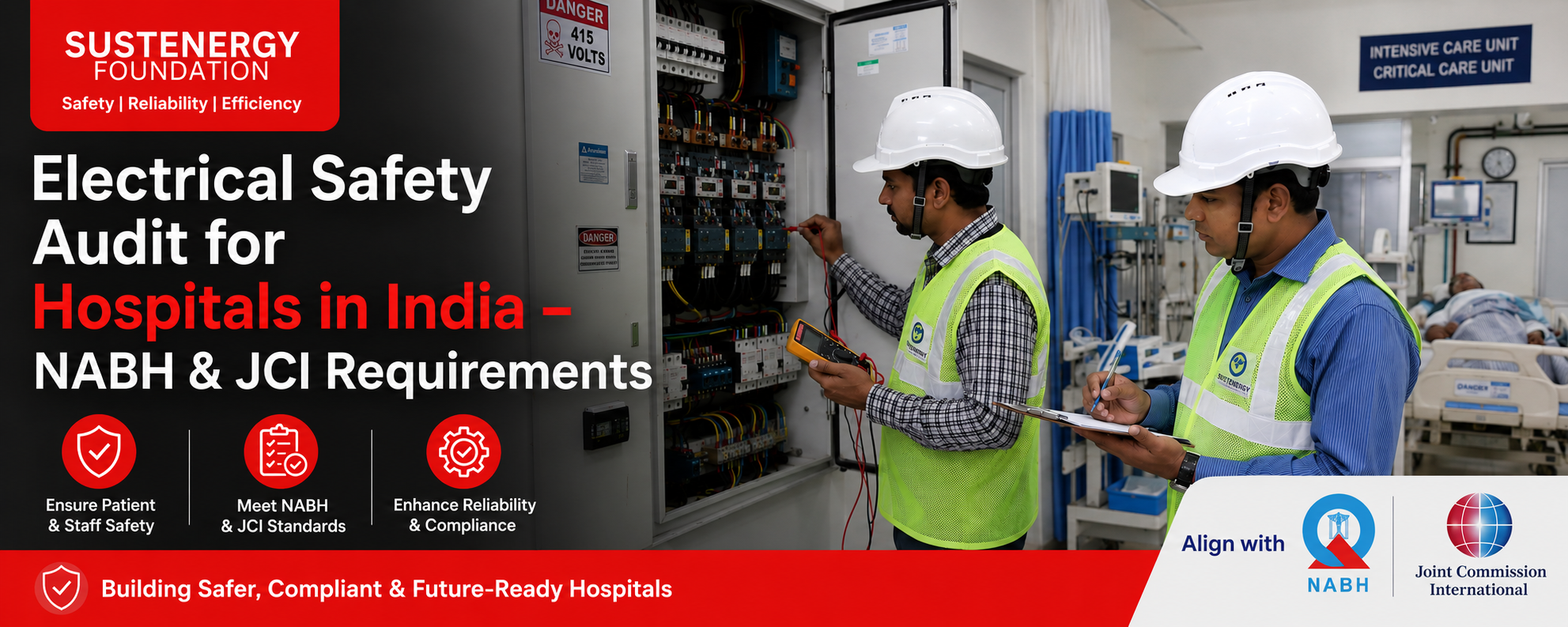
A structured Electrical Safety Audit can identify hidden risks before they turn into disasters. Regular assessments help organizations ensure that their electrical infrastructure remains safe, reliable, and compliant.
Based on its extensive experience in electrical safety and energy management, Sustenergy Foundation recommends:
- Comprehensive electrical inspections every 6–12 months.
- Periodic load analysis and balancing to prevent circuit overloading.
- Earth fault loop impedance testing and verification of protective devices.
- Thermal imaging and thermography-based preventive maintenance.
- Review of fire protection systems and compliance with applicable safety standards.
- Staff awareness programs and emergency response training.
- Continuous monitoring of critical electrical installations.
The investment required for periodic audits and preventive maintenance is minimal when compared to the enormous financial and human losses caused by a major electrical fire.
Electrical Safety Is a Responsibility, Not an Option
As India continues to modernize its healthcare and hospitality infrastructure, electrical safety must become a core component of operational excellence.
Safe electrical systems not only protect lives but also improve energy efficiency, enhance reliability, reduce downtime, and support long-term sustainability goals.
The tragedies in Delhi and Bihar should serve as a wake-up call for facility owners, hospital administrators, hotel operators, and decision-makers across the country.
The choice is clear: invest in prevention today or risk paying a far greater price tomorrow.
At Sustenergy Foundation, we believe that every life saved through proactive electrical safety measures is a success worth striving for. The cost of prevention may be measured in lakhs, but the cost of failure is measured in lives.